
After spooking Trump into safety testing, Anthropic AI models get global release
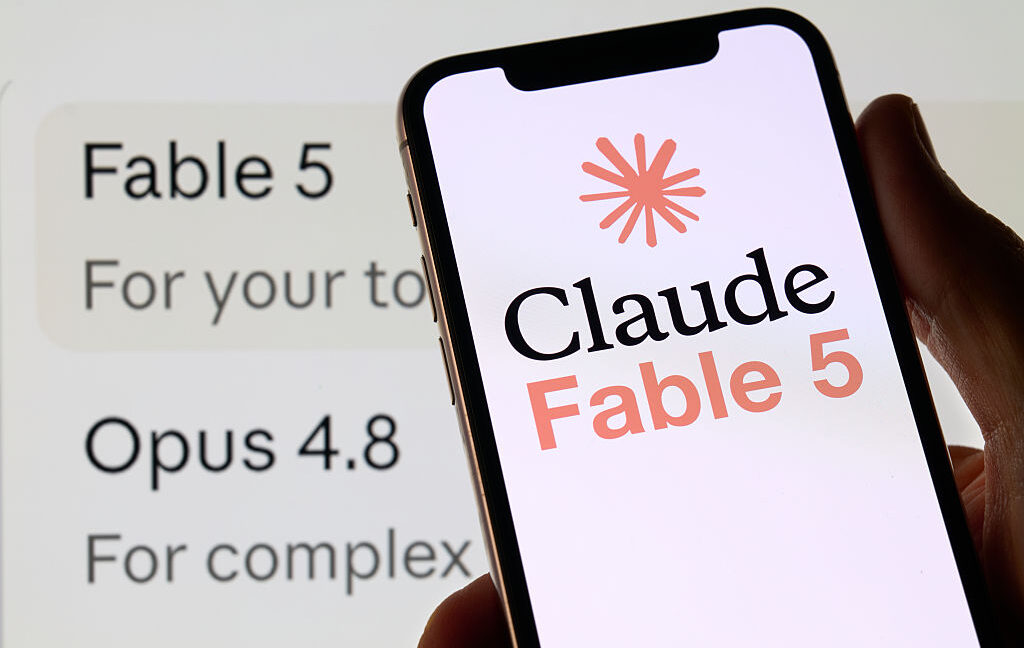
After a brief export ban, Anthropic's Fable 5 AI model is now globally available, while Mythos 5 access is restored for US organizations. This follows Anthropic's collaboration with the US government to enhance safeguards and address national security concerns regarding the models' potential misuse.
The US government has lifted export restrictions on Anthropic’s Claude models, Fable 5 and Mythos 5, following earlier concerns about their national security implications. Fable 5 is now accessible worldwide, and US organizations have regained access to Mythos 5. Anthropic is working to expand Mythos access to more domestic and international partners through the Glasswing program, which allows cybersecurity researchers to use Mythos for defensive purposes. This move came after Anthropic agreed to enhance its partnership with the government, establish a program to red-team its models with hackers, and dedicate an internal team to monitor emerging jailbreak threats around the clock.
The initial export ban, issued on June 12, stemmed from fears that countries like China and Russia could exploit the models to attack critical US infrastructure. Mythos 5 was particularly problematic due to its advanced capabilities in identifying and exploiting software vulnerabilities, making it attractive to malicious actors.
Anthropic clarified that Fable 5, while sharing the same underlying model as Mythos 5, lacks its unique offensive capabilities and is designed for general public use with robust safeguards. After weeks of testing, Fable 5 is no longer vulnerable to a bypass method previously discovered by Amazon researchers, which had triggered the export curbs. Anthropic also stated that less advanced rival models could identify similar vulnerabilities, suggesting the reported technique didn't reveal unique Mythos-level cyber capabilities but rather routine defensive cybersecurity practices. However, to address the bypass, Anthropic implemented a more stringent safety classifier, which may occasionally block benign prompts during coding tasks.
Anthropic acknowledges that achieving full immunity to jailbreaks is challenging. Nonetheless, through increased red-teaming and continuous monitoring, the company aims to proactively identify and fix major vulnerabilities before they can be exploited. Anthropic continues to emphasize a cautious approach, asserting that most jailbreaks will be costly to produce and largely ineffective against their enhanced defensive layers, which include some blocking of benign requests to mitigate potential risks.
Related articles
The browser wars aren’t about search anymore — here are the best alternatives to Chrome and Safari
The browser landscape is shifting as new AI-powered alternatives challenge Chrome and Safari, moving beyond simple search to offer advanced assistive capabilities. These innovative browsers aim to transform the user experience by integrating AI for tasks like summarization, task automation, and enhanced privacy features.
Meta quietly launches vibe-coded gaming app Pocket
Meta has quietly launched Pocket, a new AI-powered gaming app that allows users to create and share interactive experiences using AI prompts. The app, which stems from Meta's acquisition of Gizmo, indicates Meta's continued expansion into making AI creation tools more accessible to a wider audience.
Gemini Spark, Google’s agentic assistant, is now available on Mac
Google has launched Gemini Spark, its agentic AI assistant, for macOS, enhancing its competitive stance against rivals like Microsoft Copilot and Claude Desktop. This new release integrates with various apps, offering real-time topic tracking and expanded functionalities for everyday digital tasks.