Apple working to cram massive Gemini model into iPhone to power new Siri
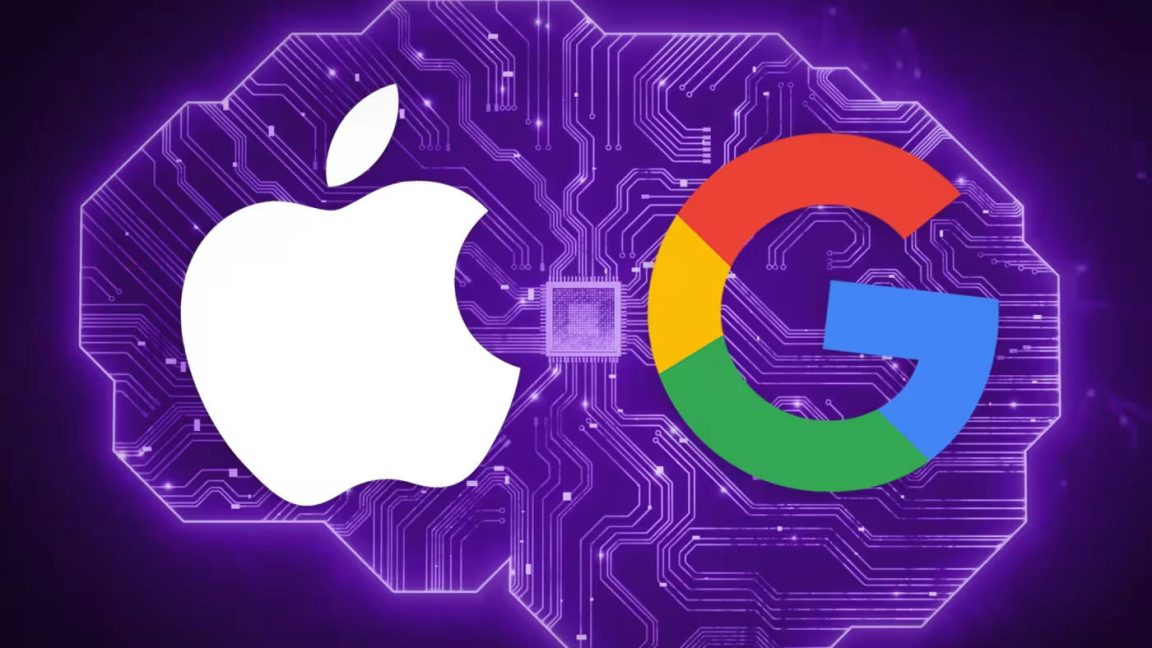
Apple is working to integrate Google's Gemini model into Siri, aiming for a hybrid on-device and cloud-based AI experience. This approach, however, poses challenges to Apple's long-standing emphasis on local AI processing and user privacy.
It's becoming increasingly difficult to avoid generative AI in technology, and Apple is playing catch-up. Despite repeated delays in delivering an AI-enhanced Siri, a deal with Google will see the integration of Gemini into the assistant later this year. This move comes as Apple strives to bring significant AI capabilities to the more limited processing environment of a smartphone.
Apple has consistently highlighted the privacy benefits of local AI processing. However, reports suggest that the Gemini integration into Siri will heavily rely on Google and Nvidia's cloud infrastructure. This appears to be a shift from Apple's previous privacy-focused stance on on-device AI.
While new chips often boast AI optimization, smartphones face limitations in handling powerful AI models. Even with advancements like Apple's Neural Engine, phones often lack the necessary RAM and processing power to run enormous models with trillions of parameters, unlike their cloud counterparts. On-device AI models are also typically
Related articles
Build real agentic apps using CUGA: two dozen working examples on a lightweight harness
CUGA, IBM's open-source Agent Harness, simplifies building agentic applications by handling infrastructure, allowing developers to focus on tools and prompts. It offers pre-assembled components for planning, execution, and state management, significantly reducing development time. CUGA has topped agent benchmarks like AppWorld and WebArena.
OpenAI launches new initiative to help find and patch open source bugs
OpenAI has launched "Patch the Planet," a new initiative in partnership with cybersecurity firm Trail of Bits, to enhance the security of open-source projects. This program aims to assist maintainers in identifying and patching bugs, utilizing OpenAI's AI-powered security tools while reducing the burden on project teams.
PP-OCRv6 on Hugging Face: 50-Language OCR from 1.5M to 34.5M Parameters
Baidu has released PP-OCRv6, an advanced optical character recognition (OCR) model supporting 50 languages. Available on Hugging Face, this version significantly improves accuracy and efficiency across various parameter sizes, from 1.5 million to 34.5 million, marking a substantial leap in multilingual OCR technology.