Google's Android-powered laptops are called Googlebooks, and they're coming this year
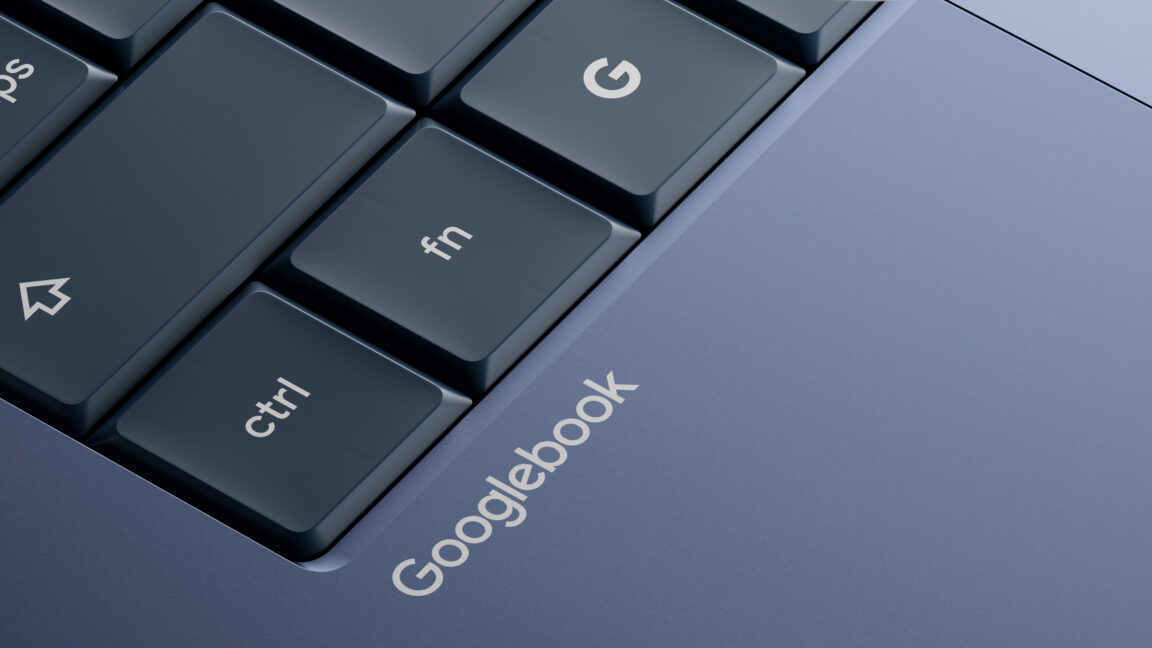
Google is launching a new line of Android-powered laptops called Googlebooks, designed with Gemini Intelligence. These devices will feature a new "Magic Pointer" for contextual AI suggestions and deep integration with Android phones for app streaming and file transfer. Googlebooks will be manufactured by various OEMs and are expected to ship later this year.
Google is set to release a new line of Android-powered laptops called Googlebooks later this year. These devices represent a shift in focus for Google, moving beyond its established Chromebook line. While Chromebooks will continue, Googlebooks are designed from the ground up with Gemini Intelligence, aiming to offer a more advanced and integrated user experience. OEMs like Acer, Asus, Dell, HP, and Lenovo are expected to produce these new laptops.
A key feature of Googlebooks is the "Magic Pointer," which activates a full-screen Gemini experience by simply wiggling the cursor. This AI-powered tool can analyze on-screen content to provide contextual suggestions and integrate data from various applications. Another integrated feature, Magic Cue, familiar to Pixel phone users, will offer contextual recommendations and information based on messages and emails.
Googlebooks will also feature AI-generated widgets, adapting Android phone widgets to the laptop form factor. These widgets gather data from the web and Google apps to create personalized dashboards. While Google avoids explicitly mentioning Android, it is the underlying operating system, providing access to a wide array of existing apps through the Play Store.
Deep integration with Android phones is a core aspect of Googlebooks. Users can stream apps directly from their phones to the laptop, with a dedicated taskbar button listing all phone applications. File transfers between the phone and Googlebook are also designed to be seamless.
The physical design of Googlebooks will include a "Glowbar" on the lid, a luminous feature reminiscent of older Google devices like the Pixel C tablet. Although Google has not fully detailed the Glowbar's functionality, it is described as both "functional and beautiful."
Related articles
Build real agentic apps using CUGA: two dozen working examples on a lightweight harness
CUGA, IBM's open-source Agent Harness, simplifies building agentic applications by handling infrastructure, allowing developers to focus on tools and prompts. It offers pre-assembled components for planning, execution, and state management, significantly reducing development time. CUGA has topped agent benchmarks like AppWorld and WebArena.
OpenAI launches new initiative to help find and patch open source bugs
OpenAI has launched "Patch the Planet," a new initiative in partnership with cybersecurity firm Trail of Bits, to enhance the security of open-source projects. This program aims to assist maintainers in identifying and patching bugs, utilizing OpenAI's AI-powered security tools while reducing the burden on project teams.
PP-OCRv6 on Hugging Face: 50-Language OCR from 1.5M to 34.5M Parameters
Baidu has released PP-OCRv6, an advanced optical character recognition (OCR) model supporting 50 languages. Available on Hugging Face, this version significantly improves accuracy and efficiency across various parameter sizes, from 1.5 million to 34.5 million, marking a substantial leap in multilingual OCR technology.