
Musk’s X poses “serious risk to Americans’ privacy,” advocates warn FTC
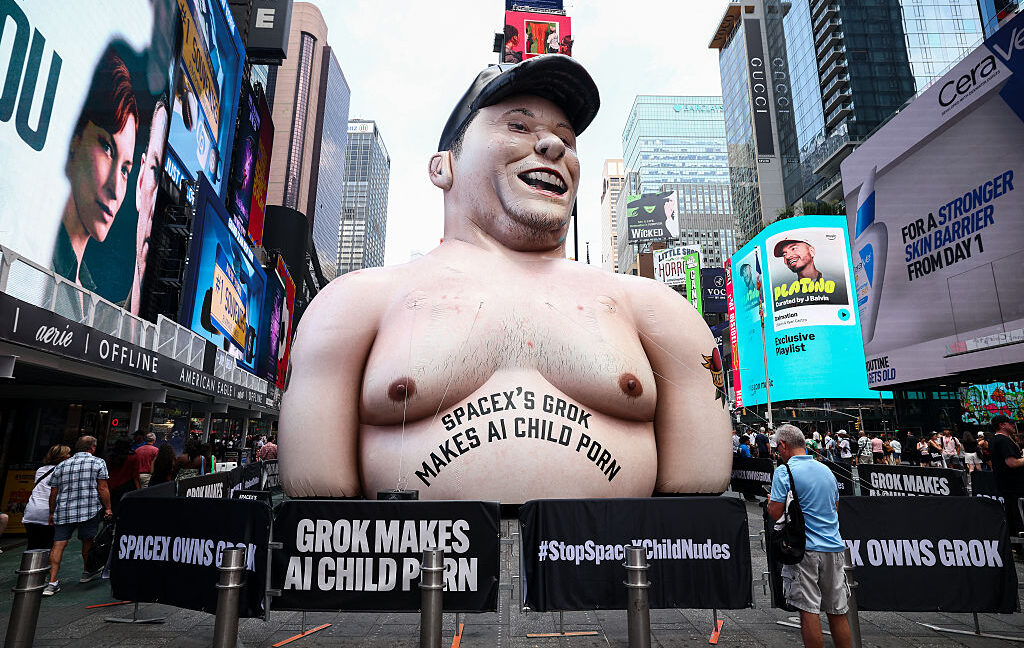
Privacy advocates are urging the Federal Trade Commission (FTC) to reject Elon Musk's X's request to terminate oversight, citing ongoing data privacy concerns and alleged violations. They argue that X's rebranding and new AI ventures, like Grok, necessitate continued scrutiny rather than its removal.
Privacy and consumer protection advocates have formally warned the Federal Trade Commission (FTC) that Elon Musk’s X poses a “serious risk to Americans’ privacy and data security.” They are vehemently opposing X’s bid to end the agency’s ongoing audits of the platform’s data handling, which were initially imposed after Twitter improperly shared user contact information for ad targeting. Advocates argue that far from being obsolete, FTC oversight is more critical than ever.
X claims that the FTC order is burdensome and unnecessary, especially given its rebranding and compliance with the EU’s GDPR. However, advocates contend that Musk’s changes have only intensified data privacy concerns. They cite incidents like the alleged leakage of 2.8 billion records and Musk's controversial directive to collect
Related articles
When the Trump administration cracks down on Anthropic, who benefits?
The Trump administration issued an export control order against Anthropic, forcing the AI company to pull its newest models, Fable 5 and Mythos 5, offline. This move has sparked debate over AI policy and digital sovereignty, with some suggesting political motivations and others questioning Anthropic’s own messaging around AI safety.
Signal’s Meredith Whittaker wants you to remember that AI chatbots ‘are not your friends’
Signal President Meredith Whittaker cautions against the over-reliance on AI chatbots, emphasizing they are not sentient and can pose significant privacy risks. She highlights concerns about pervasive data access when integrating AI into personal and sensitive applications.
 Ethics & Society
Critical Copilot vulnerability allowed hackers to seal 2FA code from users
Microsoft patched a critical vulnerability in its M365 Copilot AI platform that allowed attackers to extract sensitive data, including 2FA codes, from users. This vulnerability, dubbed "SearchLeak," exploited Copilot's inability to distinguish between user instructions and malicious commands embedded in third-party content.