
Trump plan to test AI models has a problem—US security teams were gutted by DOGE
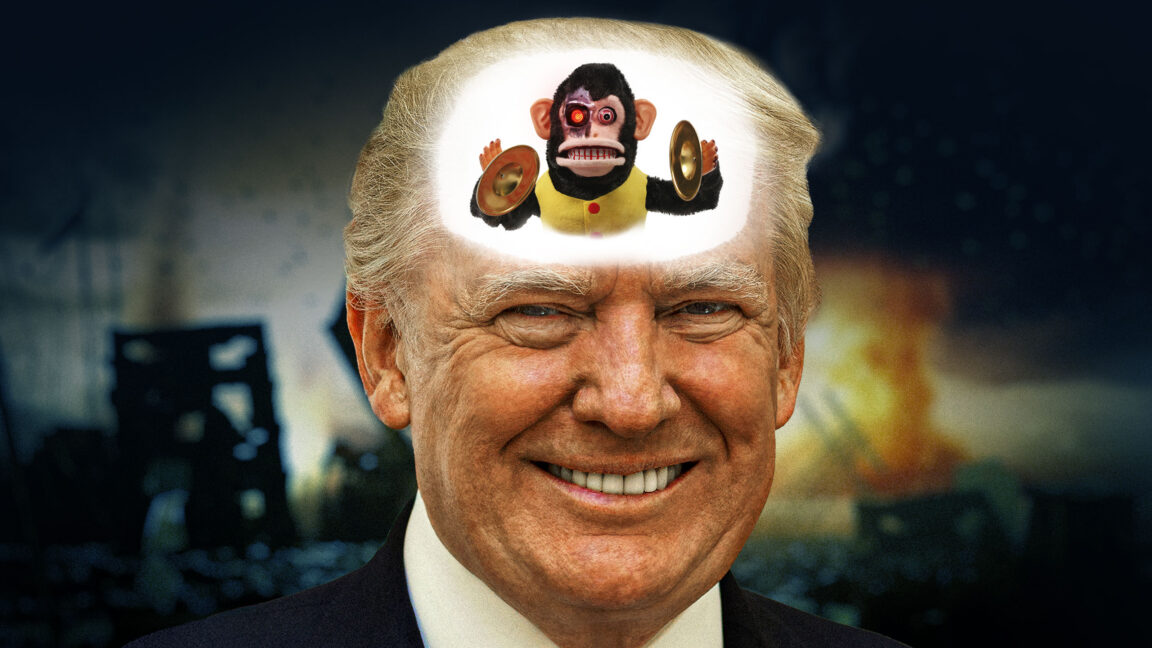
The Trump administration has issued an executive order for voluntary safety testing of frontier AI models. Critics argue the order is short-sighted, offers performative assurances, and may not effectively address AI risks due to a lack of government resources and expertise. This initiative aims to balance innovation with security, but its effectiveness remains questionable.
Donald Trump has signed an executive order to expand government efforts in voluntary safety testing of frontier AI models. Critics, however, warn that the order may be short-sighted, offering only performative reassurances about monitoring AI risks without changing deployment practices. Several CEOs, invited last minute to a prior signing event, could not attend but signaled support for the order. Trump initially postponed the signing due to concerns that the EO might impede AI innovation, amid infighting between cybersecurity experts and deregulation advocates within his administration. Consequently, the signed order is watered down, establishing no requirements for AI firms and instead setting up a voluntary collaboration process for safety reviews.
The EO aims to ensure rapid deployment of secure technology to confront national threats and enhance US cybersecurity and AI dominance. Experts, however, note little change from earlier drafts that faced industry backlash. A key difference is the shortened window for government testing from 90 to 30 days, a change driven by Trump's concern about hindering the US in the AI race.
Under the order, the National Security Agency (NSA) is directed to establish a classified benchmarking process for "covered frontier models." The NSA will also collaborate with the US Treasury Department and the Cybersecurity and Infrastructure Security Agency (CISA) to create a "cybersecurity clearinghouse" for vulnerability scanning and patching. A voluntary framework for AI developers to submit models for safety testing is also included.
Critics argue the order reveals the government's unpreparedness for meaningful safety testing within short timeframes. The order mandates setting up these processes within 30 days, yet recruiting talent and developing expertise will likely take longer. Funding is also a concern, with the Office of Management and Budget tasked with identifying existing federal grant programs that could support AI vulnerability detection.
As a temporary measure, Trump plans to increase enforcement against those exploiting untested AI models. The Attorney General is directed to prioritize enforcement against individuals using AI for illegal access, data theft, or criminal activity. While the White House claims the EO balances innovation and security, critics are concerned that it is short-sighted and overly reliant on AI firms' goodwill, especially given the significant cuts to CISA last year, which severely impacted the government's cybersecurity capabilities.
Related articles
When the Trump administration cracks down on Anthropic, who benefits?
The Trump administration issued an export control order against Anthropic, forcing the AI company to pull its newest models, Fable 5 and Mythos 5, offline. This move has sparked debate over AI policy and digital sovereignty, with some suggesting political motivations and others questioning Anthropic’s own messaging around AI safety.
Signal’s Meredith Whittaker wants you to remember that AI chatbots ‘are not your friends’
Signal President Meredith Whittaker cautions against the over-reliance on AI chatbots, emphasizing they are not sentient and can pose significant privacy risks. She highlights concerns about pervasive data access when integrating AI into personal and sensitive applications.
 Ethics & Society
Critical Copilot vulnerability allowed hackers to seal 2FA code from users
Microsoft patched a critical vulnerability in its M365 Copilot AI platform that allowed attackers to extract sensitive data, including 2FA codes, from users. This vulnerability, dubbed "SearchLeak," exploited Copilot's inability to distinguish between user instructions and malicious commands embedded in third-party content.