
Allegedly trashing Airbnbs to test robots puts startup in legal trouble
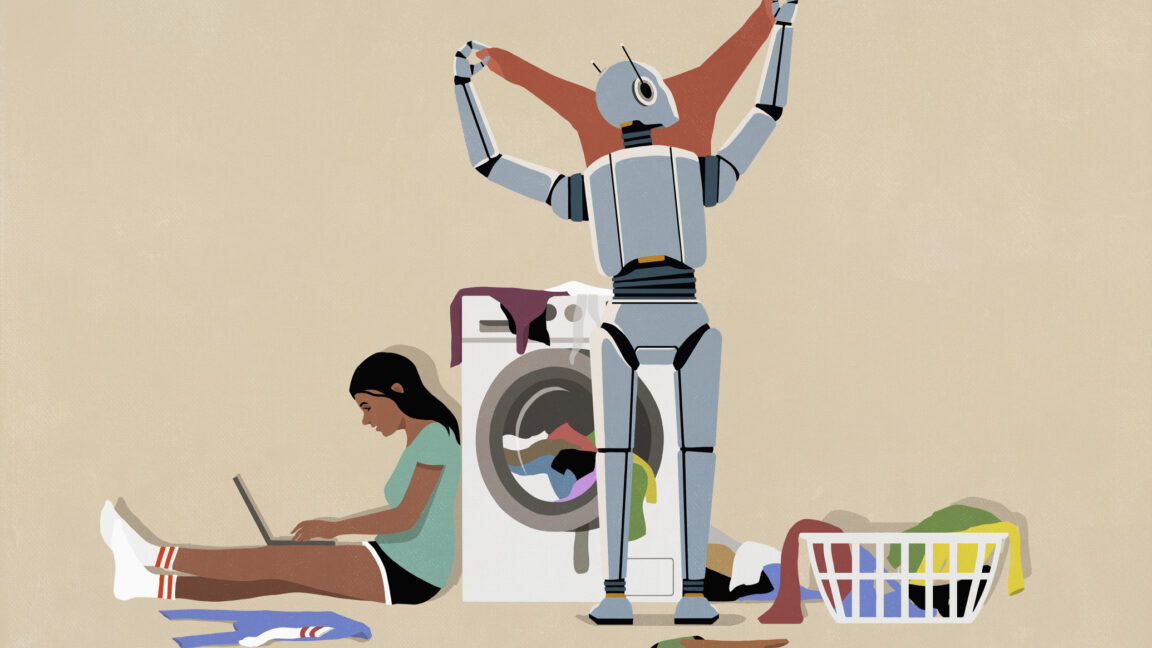
A robotics startup, The Bot Company, faces a lawsuit for alleged damages exceeding $12,000 to an Airbnb property. The host claims their home was used for unauthorized robot testing, resulting in significant damage and a potential criminal matter related to missing items. The incident raises questions about responsible testing practices for household robots.
A San Francisco robotics startup, The Bot Company, is facing a lawsuit for allegedly causing extensive damage to an Airbnb property during an unauthorized robot testing operation. Sean Donovan, the Airbnb host, is seeking over $12,000 in damages, claiming his home was left in disarray after the company's employees rented it. The lawsuit, filed in San Francisco Superior Court, highlights the unprecedented mess Donovan discovered, including extensive property damage and missing items. This incident was first reported by SFGate, which also interviewed Donovan.
Donovan's suspicions arose when he noticed "bundles of wires" and a 6-foot-tall robot resembling a "Roomba with treads" during the rental period. Over 30 people were observed entering and leaving the property, with conversations about "taking shifts" captured by a Ring camera. The alleged damage includes paint damage, floor damage, a broken kitchen doorframe, bent dishwasher racks, water damage, scratches on furniture, a broken laser-cut art piece, and damage to an antique family heirloom dining table. Cabinets and drawers were emptied, and decorative items moved. A missing shoe rack and a pair of shoes from a locked closet are being investigated as a "potential criminal matter."
The Bot Company, founded in 2024 by Twitch co-founder Kyle Vogt and former Tesla AI manager Paril Jain, has maintained a low profile. Despite its mission to build "a helpful robot for every home," its website lacks images or specifications of its robots. The company has reportedly raised over $300 million from various venture capital firms. Donovan also alleges deceptive booking practices, stating the property was rented for commercial use and filming, not as a short-term rental.
Robotics companies typically conduct testing in controlled lab environments to avoid such incidents. Using Airbnb homes for undocumented robot testing is not only a risky business move but also provides suboptimal advertising for household robots, especially if the robots cause damage. The San Francisco Standard identified some of the guests from Donovan's booking as having negative reviews from other Airbnb hosts, reporting similar damages to their properties.
This incident underscores the challenges of deploying robots in unstructured home environments, which differ significantly from controlled factory settings. Homes contain fragile items and, most importantly, humans who must be safeguarded. The allegations against The Bot Company raise critical questions about ethical testing, transparency, and accountability in the rapidly evolving field of domestic robotics.
Related articles
We Added Too Many Guardrails and Broke Our Own Agent, Our AI VP of Finance Found a Setting We’d Missed for 8 Years, and an Agent Is Now the One Renewing Your Software: The Agents #007
This article discusses the complexities and unexpected breakthroughs encountered while deploying AI agents in a business setting. It highlights the critical balance in setting guardrails for AI, the diverging behaviors of agents across different platforms, and the surprising efficiency gains from integrating AI with existing financial tools.
Fika Jobs raises $4M to build a video-first hiring platform where AI agents interview candidates
Fika Jobs, a Stockholm-based startup, secured $4 million in pre-seed funding to advance its video-first hiring platform. This platform uses AI agents to conduct interviews and create short video profiles for job seekers, aiming to revolutionize the traditional recruitment process.
 Business & Startups
How to burst the AI bubble: Strike at its roots
Cory Doctorow