From 15 hours to one minute: How AI/ML is speeding up GM's development
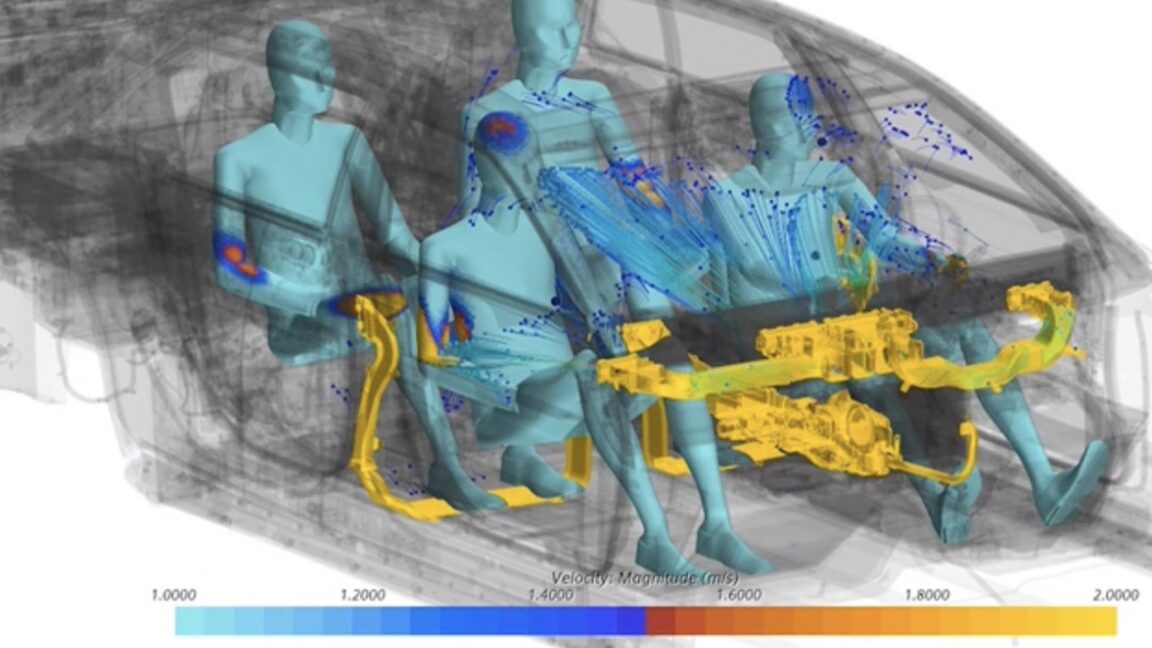
General Motors is leveraging AI/ML to dramatically accelerate its engineering and design processes. This "third epoch" of engineering collapses traditional sequential development into a single, probabilistic method, reducing simulation times for complex analyses from 15 hours to just one minute.
General Motors (GM) is ushering in a "third epoch" of engineering and design, driven by artificial intelligence and machine learning. This new approach streamlines the development process by integrating diverse functions into a single, probabilistic method, fundamentally changing how GM designs and manufactures its assets. Historically, engineering progressed through empirical, iterative design, followed by virtual tools that improved specific functions but maintained a sequential workflow.
GM's embrace of AI/ML allows for a significant reduction in the time required for complex simulations. For instance, processes that previously took 15 hours can now be completed in a single minute. This acceleration enables engineers to conduct a far greater number of iterations and broader tests than ever before, dramatically speeding up the design cycle and improving efficiency.
The application of these advanced virtualization tools extends beyond early engineering analyses and the traditional domains of aerodynamics or structural design. GM is integrating these capabilities across its various business units, including motorsports, energy and batteries, defense, and even its lunar program. This widespread adoption reflects a strategic shift towards a more integrated and rapid development paradigm.
GM's engineers are now equipped with virtual environments where they can simultaneously optimize hardware and software, and inform design decisions in real-time. This concurrent optimization, combined with the ability to run thousands of design experiments, gives GM a competitive edge. The company also fosters collaboration and technology transfer between its motorsports division and production side, ensuring that the latest advancements are continuously shared and implemented across the organization.
Related articles
The AI world is getting ‘loopy’
AI models are taking a significant leap forward with the adoption of "agentic loops," where AI agents continuously prompt each other to improve code and solve complex problems. This approach, though potentially resource-intensive, promises to unlock new levels of autonomous problem-solving and efficiency in AI applications.
Codex-maxxing for long-running work
Codex is increasingly being used by organizations to support long-running projects that go beyond a single prompt. This whitepaper by Jason Liu offers practical strategies for leveraging Codex as a persistent workspace, managing complex workflows and sustaining progress.
Nobel laureate John Jumper is leaving DeepMind for rival Anthropic
Nobel laureate John Jumper is departing Google DeepMind to join its competitor, Anthropic, after dedicating nearly nine years to DeepMind, where he led the AlphaFold team. Jumper, who shared a Nobel Prize for his work on AlphaFold, expressed gratitude for his time at DeepMind while looking forward to new endeavors.