
Pennsylvanians use town hall meeting to rail against data center boom
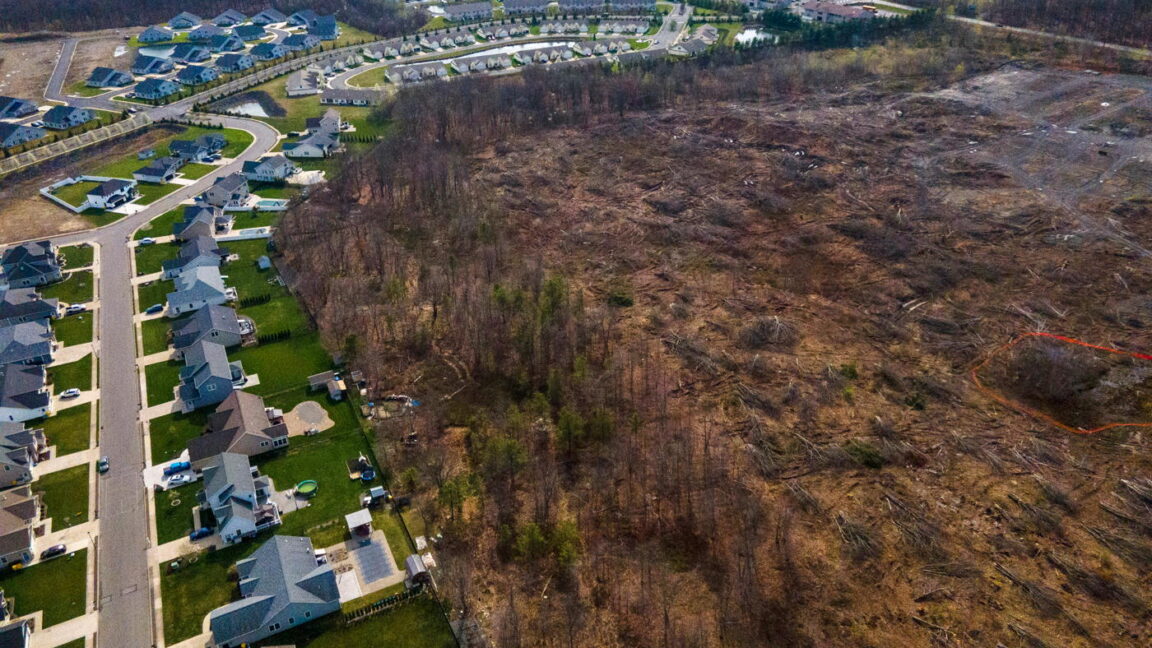
Pennsylvania residents are increasingly concerned about the rapid growth of data centers, citing issues like rising electricity prices, high water consumption, and noise pollution. A recent town hall meeting highlighted widespread frustration with the state's management of this boom and Governor Shapiro's approach. Polls indicate strong opposition to data centers, especially those for AI, in local communities, prompting calls for stricter regulations, zoning changes, and even a moratorium on new developments.
A recent town hall meeting in Pennsylvania revealed widespread public frustration regarding the rapid expansion of data centers across the state. Approximately 225 attendees heard more than 20 speakers voice concerns over rising electricity costs, significant water usage, noise pollution, and the industrialization of rural areas. Governor Josh Shapiro, who has attempted to balance welcoming data centers with implementing safeguards, was a frequent target of criticism.
Citizens feel excluded from the decision-making process. Jennifer Dusart, a small business owner, stated, "Too many Americans are finding out about these projects after decisions have been made." She added that public concerns are often dismissed as uninformed or emotional. The Data Center Proposal Tracker indicates nearly 60 such projects are proposed, in planning, approved, or under construction in Pennsylvania.
Opposition is gaining momentum. Karen Feridun, who organized the town hall, noted that a Facebook group she started in January has grown to over 12,000 members. While an Emerson College survey showed Pennsylvanians were split on data center development overall, a Quinnipiac University poll found 68% would oppose an AI data center in their community.
Governor Shapiro's administration maintains it seeks to protect communities while leveraging economic benefits. A spokesperson stated that companies seeking state support must meet strict expectations regarding transparency, environmental protection, and community impact. Shapiro has proposed standards, including that new data centers provide their own power or fully fund their power and transmission infrastructure.
Lawmakers and activists are advocating for stronger measures. State Representative Jamie Walsh highlighted tax breaks as a driver for development, urging their repeal. State Senator Katie Muth plans to introduce a bill for a three-year moratorium on data center development, allowing time for study and planning. Activists also call for towns to update zoning ordinances to better control data center applications and avoid legal vulnerabilities.
Related articles
We Added Too Many Guardrails and Broke Our Own Agent, Our AI VP of Finance Found a Setting We’d Missed for 8 Years, and an Agent Is Now the One Renewing Your Software: The Agents #007
This article discusses the complexities and unexpected breakthroughs encountered while deploying AI agents in a business setting. It highlights the critical balance in setting guardrails for AI, the diverging behaviors of agents across different platforms, and the surprising efficiency gains from integrating AI with existing financial tools.
Fika Jobs raises $4M to build a video-first hiring platform where AI agents interview candidates
Fika Jobs, a Stockholm-based startup, secured $4 million in pre-seed funding to advance its video-first hiring platform. This platform uses AI agents to conduct interviews and create short video profiles for job seekers, aiming to revolutionize the traditional recruitment process.
 Business & Startups
How to burst the AI bubble: Strike at its roots
Cory Doctorow