
"We pissed off a lot of people": Giant data center plan cut 50% amid protests
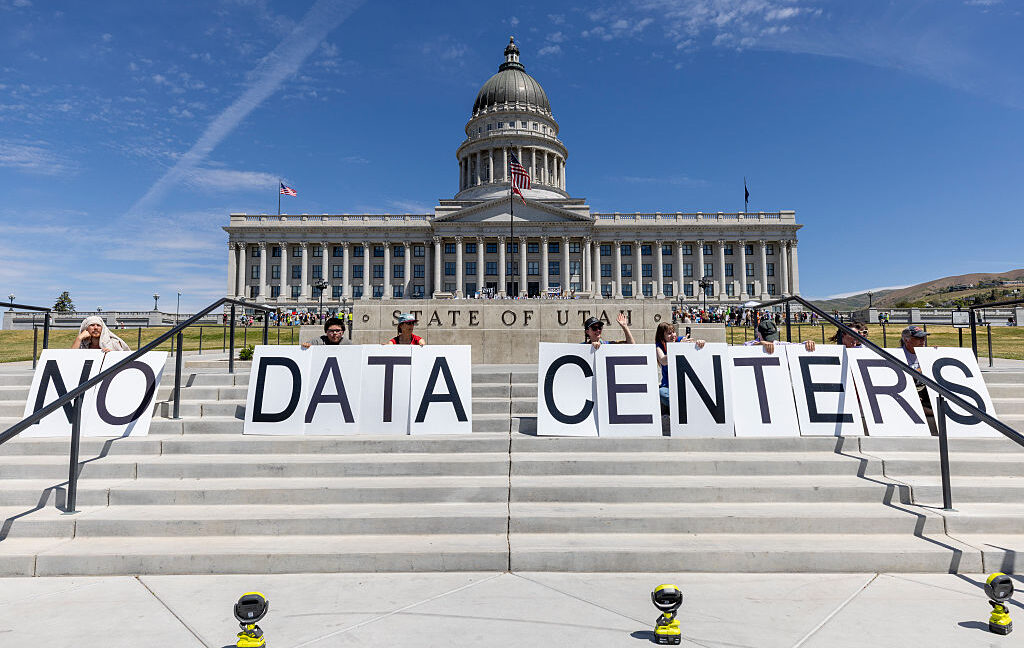
A massive data center project in Utah faced significant backlash from residents concerned about water usage and environmental impact. This led the developer, Kevin O'Leary, to cut the project size by half and vow for increased transparency in future development. Local officials emphasize responsible development and transparency, while some residents remain skeptical about the project's revised plans and potential long-term effects on the community.
A massive data center project in Utah, initially planned to be nearly three times the size of Manhattan, has been cut by 50% due to intense public backlash. Residents of Box Elder County were primarily concerned about the project's potential to drain local water resources, particularly the vulnerable Great Salt Lake. Over 1,900 acre-feet of water transfer to the data center was opposed, with additional concerns raised about rising electricity bills, air quality, wildlife, and land impact.
Kevin O'Leary, a venture capitalist and the project's chair, admitted to mismanaging public relations, stating, "We really screwed it up." He expressed surprise at the public's strong opposition, having initially assumed local excitement for the investment. This led him to take personal charge of all future communications, promising complete transparency regarding permits and environmental impact.
Utah Senate President Stuart Adams had urged a 75% reduction in the project's scope. O'Leary, initially planning for 40,000 acres, reduced the project to 20,000 acres, with 10,000 acres remaining undeveloped. This effectively reduces the developed area to 25% of the original plan. Adams praised the compromise as a potential model for responsible data center development in the U.S., emphasizing the need for written commitments and thorough environmental reviews.
However, some residents remain skeptical. Brenna Williams, a community member, called the agreement "excellent performance art," suggesting the area is unsuitable for such a large data center due to water constraints. The Salt Lake Tribune's editorial board also warned that the "stench attached to the rushed and secret political process will take a very long time to dissipate." These sentiments highlight a lingering distrust and doubt about the project's long-term implications and O'Leary's renewed promises of transparency.
Related articles
We Added Too Many Guardrails and Broke Our Own Agent, Our AI VP of Finance Found a Setting We’d Missed for 8 Years, and an Agent Is Now the One Renewing Your Software: The Agents #007
This article discusses the complexities and unexpected breakthroughs encountered while deploying AI agents in a business setting. It highlights the critical balance in setting guardrails for AI, the diverging behaviors of agents across different platforms, and the surprising efficiency gains from integrating AI with existing financial tools.
Fika Jobs raises $4M to build a video-first hiring platform where AI agents interview candidates
Fika Jobs, a Stockholm-based startup, secured $4 million in pre-seed funding to advance its video-first hiring platform. This platform uses AI agents to conduct interviews and create short video profiles for job seekers, aiming to revolutionize the traditional recruitment process.
 Business & Startups
How to burst the AI bubble: Strike at its roots
Cory Doctorow