
Trump gets OpenAI to offer US 5% stake, far lower than Sanders’ target
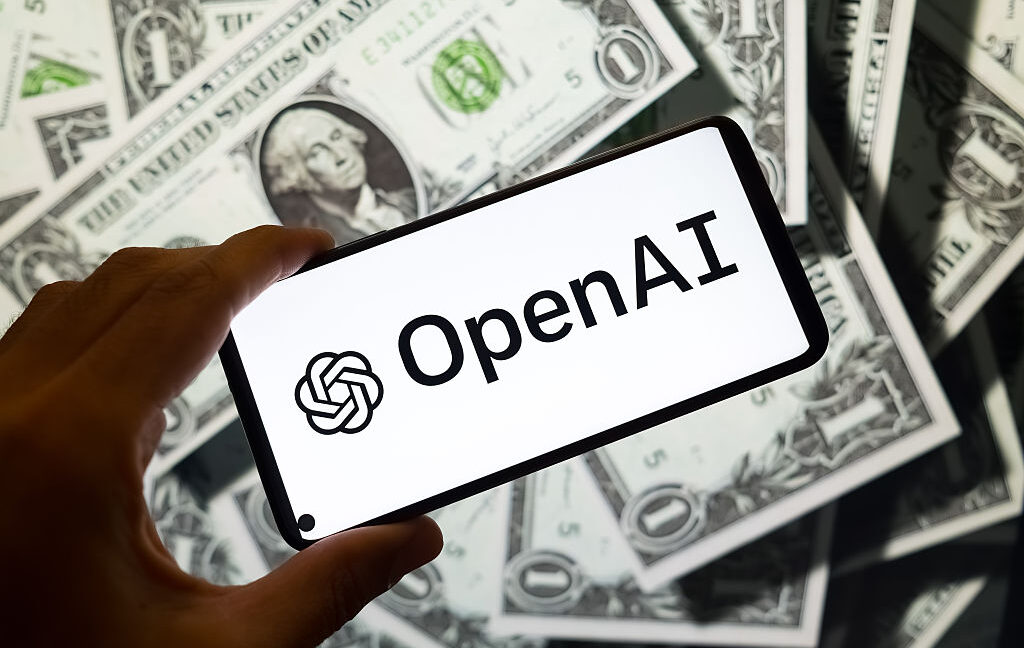
OpenAI is in talks with the Trump administration to offer the US a 5% stake in the company, aiming to share AI’s benefits and counter public skepticism. This proposal, however, falls short of Senator Bernie Sanders’ vision for a significantly larger public stake to ensure broader societal benefits and control.
OpenAI is currently in discussions with the Trump administration regarding a proposal for the U.S. government to acquire a 5% stake in the leading AI firm. CEO Sam Altman believes that providing the public with a financial interest in the company is the most effective way to distribute the advantages of artificial intelligence and address growing public apprehension. The Trump administration is exploring similar arrangements with other prominent AI companies, including Google and Meta. These talks are still in early stages, and there is no public confirmation from the other firms yet.
This initiative comes amid increasing public skepticism and concern regarding AI. Recent polls indicate a significant portion of Americans are hesitant about local AI data centers and express more worry than excitement about AI’s rapid advancement. Voters across the political spectrum are also calling for stricter AI regulations, although some, including the Trump administration and AI firms, caution against overregulation that could hinder America’s competitive edge in AI development.
To combat this negative sentiment, OpenAI has suggested the establishment of a sovereign wealth fund, similar to Alaska’s Permanent Fund, to provide citizens with a stake in AI-driven economic growth. Their conceptual proposal aims to ensure that the AI-led future benefits society broadly by giving people enduring interests in value-creating systems.
Senator Bernie Sanders, however, has expressed dissatisfaction with OpenAI’s proposed 5% stake, advocating for a much more substantial public share. Sanders’ legislative proposal includes a one-time 50% tax on leading AI firms’ stock, which he estimates could generate $7 trillion for direct payments to Americans or investments in vital public programs. He also proposes an Independent Commission for Democratic AI with voting shares to prevent harmful decisions by AI firms, ensuring public benefit and control.
Related articles
Mark Zuckerberg tells staff that AI agents haven’t progressed as quickly as he’d hoped
Mark Zuckerberg admitted to Meta employees that AI agent development hasn't met expectations, despite significant investments. He anticipates improvements in the next three to six months as the company adapts to an AI-focused structure.
 Business & Startups
Achieving operational excellence with AI
AI is transforming traditional process excellence frameworks like Lean Six Sigma and BPM, with market projections indicating significant growth in AI-powered optimization. Businesses with mature process disciplines are better positioned to leverage AI for impactful outcomes. Integrating AI into existing frameworks accelerates efficiency and innovation, highlighting technology and process as intertwined for optimal results. Organizations that combine these elements effectively achieve superior operational performance.
Microsoft launches its own AI deployment company with $2.5 billion commitment
Microsoft has launched Microsoft Frontier Company, a new venture dedicated to enterprise AI deployments, backed by a $2.5 billion investment and 6,000 experts. This initiative aims to deliver outcome-driven AI solutions, leveraging Microsoft's extensive client base and existing AI tools.